
Australia's Top 3 Female Athletes
- Written by NewsServices.com
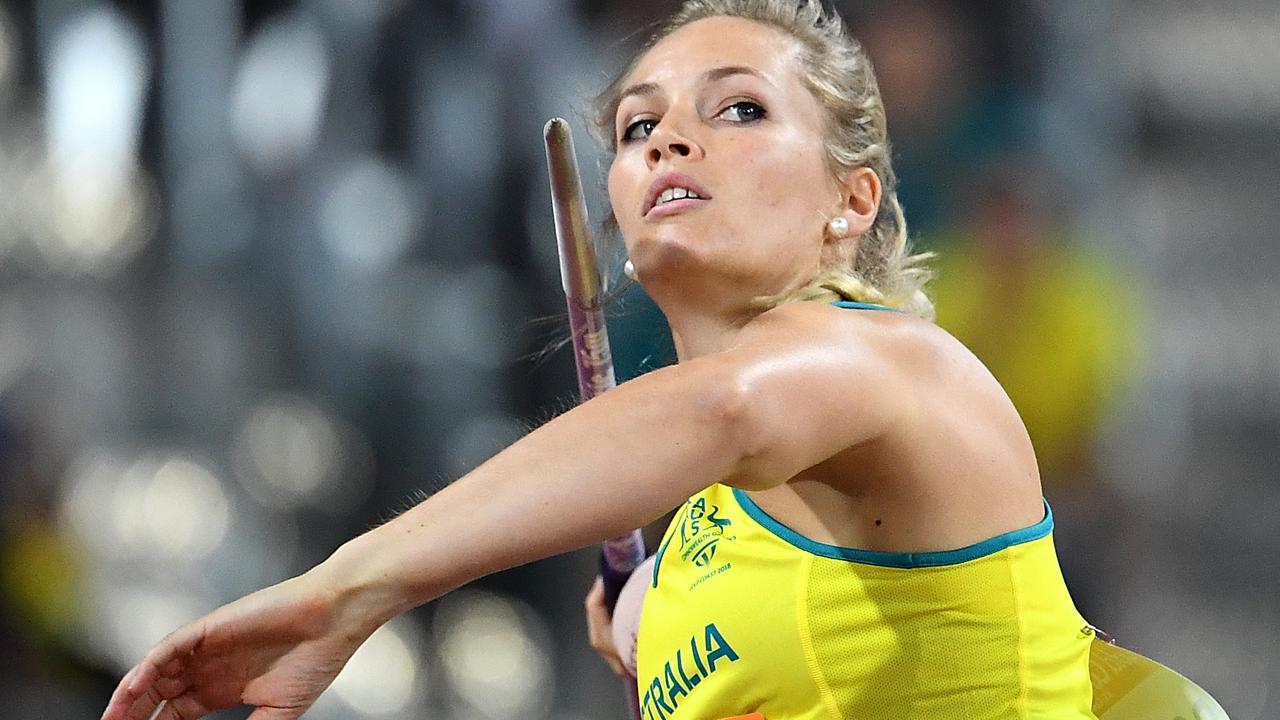
Australia has always been among the top athlete producer countries. Sports and athletes have found their historical roots in Australian soil since 1800. From the 1800s to 2022, the country has made significant strides in this field and has proudly taken its athletic spirit to another level. This love of sports and athletics is not confined to Australia's specific gender, age, or class.
We see a tremendous increase in Australian female athletes in these current years.Some of them have stood out due to the things they’ve accomplished, you can check out more in www.robinroo.com. Though the list is quite huge to cover all the names, we have shortlisted a few top names of Australian female athletes for you.
Kelsey Lee Barber
Kelsey has made her name among the top athletes that won challenging Olympics sports. She is the World's top third Jevline thrower and has won the Olympics medal for the same. She has been to the position of the World's top Jveline thrower. One of her finest throws that made her get the rank of the World's top 13 throws covered a distance of 67.7.
Additionally, her capabilities made her win the rank of the first female in the southern hemisphere who has won the Worlds Championship's gold medal in the same sports.
Jemima Montag
Be it Tokyo Olympics or Commonwealth games, Jemima Montag has made her home country proud on all national and international levels. This 23-year-old Australian athlete is a national-level racewalker and has won the gold medal in the Commonwealth Games for the same. She got the sixth rank in the Tokyo Olympics for 20 km female athletes walk.
Further, this young athlete made her national-level appearance when she was only 16th. She represented her home country at that time in the World Race Walking Cup event. Currently, she is studying medicine science at an Australian university.
Bendere Oboya
Ethiopia-born Australian Bendere Oboya is among the famous names that made it to the Olympics level. The specialty that makes her stand apart from others is her 400 m race. She debuted her Olympics career in the 2020 Tokyo Olympics. Her inspiration for athletes started when she visited a Canadian athletic event in childhood.
Also, she made it to the champions level in the Commonwealth Youth Games Championship in 2017. Apart from this, she received a Tier 1 Scholarship in the 2022 national-level sports scholarship program. She is among the top teenagers who made it to the 2019 Worlds Championship.
Summing Up
Undoubtedly, Australia has a long list of female athletes to present to the World and is continuing to grow the list further. That’s why we have only chosen some of them to give you a little taste of what Australians have to show to the world.


